TL;DR: Getting wet is a mix of hormones, mental state, foreplay, and basic body care—not a switch you flip. Stress, meds, and rushing kill it; time, touch, and feeling present build it. And if your body needs backup? Lube isn’t cheating, it’s just good sense.
What Causes Natural Vaginal Lubrication?
We need to start with what no one explains properly: getting wet isn’t a two-minute setting. It’s something your body does when the conditions actually make sense.
So if you’ve ever googled how to get wet or how can I get wet naturally, the answer is not “try harder.” Your brain and body just need to be on the same page first.
When you’re turned on, blood flow increases to the genitals, and your body produces arousal fluid. That’s it. That’s the science.

But (and this is important) that process is extremely sensitive to context.
Which means that you can want sex and still not be wet. Or, you can be wet and not mentally into it.
Your body is not a lie detector. It’s just… responsive. It reacts. It doesn’t perform.
Why You Might Struggle to Get Wet
If you’ve been wondering ‘how can I get wetter’ or ‘how to get naturally wet’ lately, it's not random. There’s always something in the background messing with the signal.
Hormonal Changes
Hormones are running this show whether you like it or not. Estrogen levels affect lubrication. So things like your menstrual cycle, birth control, or postpartum changes can all impact how to make vagina wet naturally.
Translation: it’s not an inconsistency. It’s just biology doing its thing.

Stress and Mental Health
This one is the big bad final boss.
You cannot figure out how to be wet while also thinking about work, replaying an argument in your mind, or wondering if you switched off the gas stove.
Arousal requires presence. Stress kills presence.
So when you’re asking how can I get wet naturally, the answer is that you need to feel safe enough to arrive in your body.

Medication Side Effects
Certain medications (like antidepressants, antihistamines, hormonal pills) can affect lubrication. So if you’re suddenly googling how to get more wet after a recent prescription, check what you’re taking.
It’s not a personality change. It’s chemistry.
How to Get Wetter Naturally: Lifestyle and Diet Tips
I know this sounds like wellness-influencer territory, but unfortunately… some of it is real.
If you’re trying to figure out how to get naturally wet or how can I get wetter, basics matter:
-
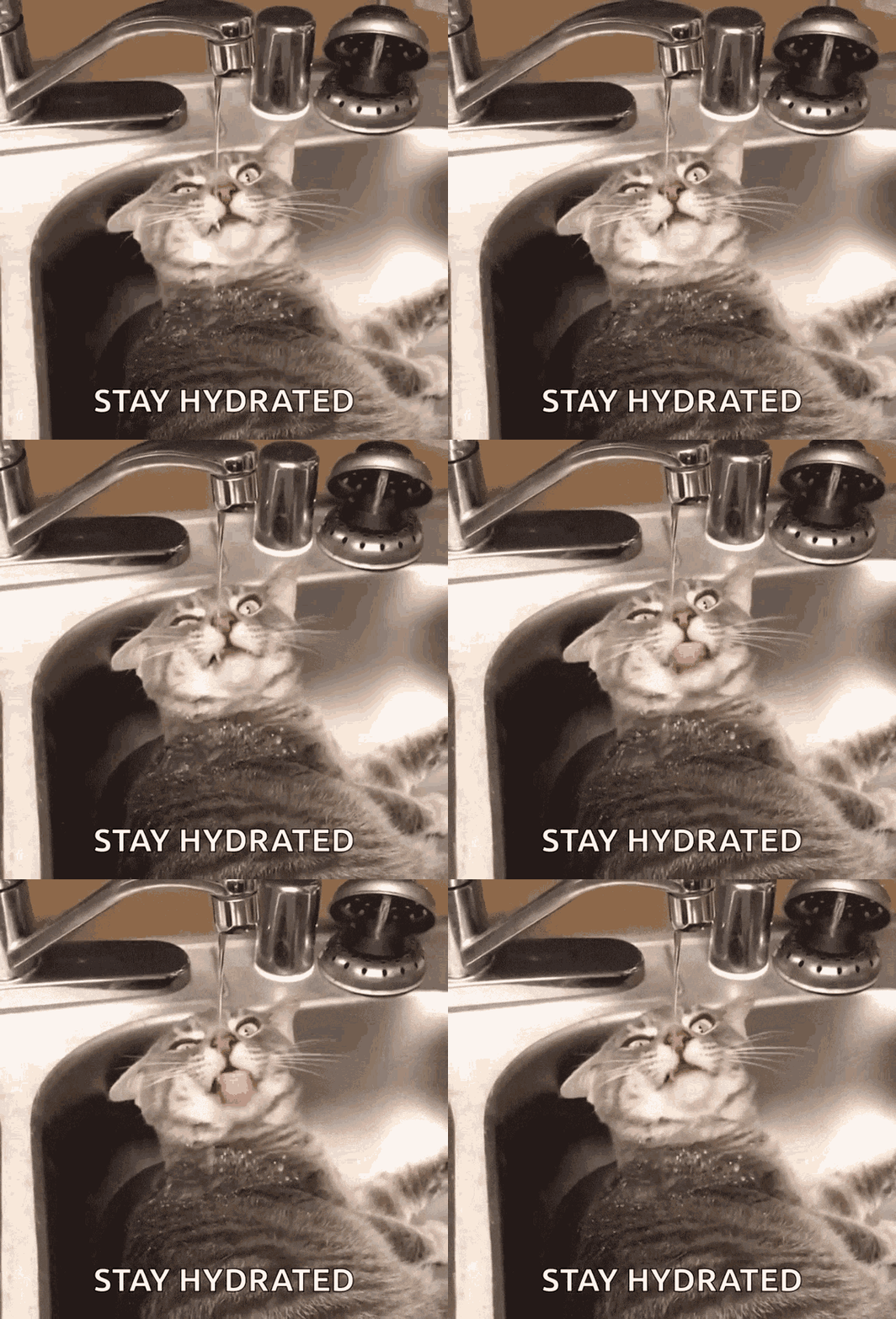
Hydration: yes, water. Having to pee multiple times a day is very annoying, yes. But it’s important for arousal fluids.
-
Healthy fats: nuts, seeds, omega-3s support hormone balance.
-
Regular movement: improves blood flow (which is literally how arousal works).
-
Sleep: because exhaustion is the least sexy state known to mankind. Apart from bigotry.
This isn’t about becoming a “better version of yourself.” It’s about giving your body a functioning environment.
Foreplay Techniques That Increase Natural Lubrication
Foreplay is not the opening act. It is the main event. If you’re stuck on how to get wet or how to make vagina wet, perhaps you’re skipping the part that actually does that.
Things that help:
-
Slow build-up (not jumping straight to genitals like it’s a checklist you gotta mark off)
-
Touch that isn’t goal-oriented
-
Kissing, teasing, time
-
Feeling wanted, not rushed

If your body needs 15–20 minutes to warm up, that’s not “too much.” That’s normal—especially if you experience responsive desire (and if you’re like “wait, what’s that,” you might want to check out our blog on it). Check out responsive desire blog here.
How to Stay Wet During Sex
Getting there is one thing. Staying there is another.
If you’re wondering how to stay wet during sex, here’s the reality:
Arousal isn’t a one-time switch. It needs to be maintained.
What helps?
-
Keep stimulation consistent
-
Don’t rush into penetration before you’re ready
-
Adjust pace if your body starts checking out
-
Stay mentally engaged (this matters more than people admit)
Also: if you’re dry mid-way, it doesn’t mean something is wrong. It just means your body needs a little backup
Water-Based Lubes or Oil-Based Lubes: What Works Better?
Let’s clear this up.
If you’re deep in the “how can I get wet naturally” spiral, you might be avoiding lube.
Don’t.
Lube is not Plan B. It’s part of good sex.
-
Water-based lubes: safe with condoms, easy to clean, generally the best default
-
Oil-based lubes: longer-lasting, but not condom-friendly
If you’re trying to figure out how to get more wet, sometimes you supplement, not struggle.
If you’re trying to figure out how to get more wet, sometimes you supplement, not struggle and if you want a no-drama option that works with condoms & toys, our water-based lube DTF is right there, doing exactly what it’s supposed to.
When to See a Doctor About Vaginal Dryness
Most of the time, the issue isn’t medical.
But you should check in with your doctor if:
-
dryness is persistent regardless of arousal
-
sex is consistently painful
-
there’s irritation, burning, or unusual symptoms
Because not every “how to get wet” question is a lifestyle issue. Sometimes it’s something that needs actual medical attention.
Final Thought
If you’ve been obsessing over how to get wet, here’s the honest answer:
It’s not about forcing your body to perform.
It’s about creating the conditions where it wants to respond.
You don’t need to “fix” yourself. You need better timing, better context, and honestly… better pacing.
And if all else fails? Use the lube. Seriously.
FAQs
Why am I not getting wet even when aroused?
Because arousal is not just physical. Stress, hormones, and context all affect how can i get wet naturally.
What foods help with natural lubrication?
Healthy fats, hydration, and balanced nutrition support hormone function, which helps with how to get naturally wet.
Does hydration affect how wet you get?
Yes. Your body needs fluids to produce fluids. It directly impacts natural lubrication.
Can stress stop you from getting wet?
Very much yes. Stress shuts down arousal pathways, making how to be wet feel nearly impossible.
Is it normal to not get wet during sex?
Completely. It’s one of the most common concerns behind how to make vagina wet and how to stay wet during sex.
What is the difference between arousal fluid and discharge?
Arousal fluid is produced during sexual excitement. Discharge is your body’s natural cleaning system. Different functions, different timing.